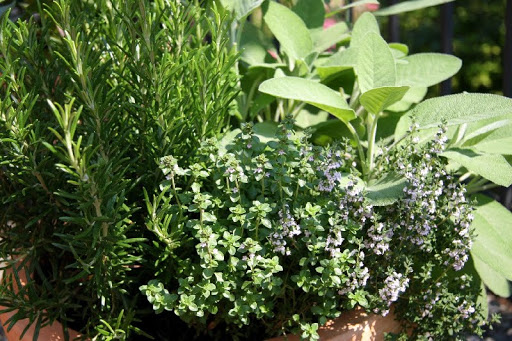
Herbs Used in Cooking Parsley through Thyme
By LadyRev-2
 1 Picture
Ingredients
- Parsley
- Also known as curled or curly parsley, flat leaf parsley and Italian parsley. It is readily available in dried leaves and fresh leaves. Store dried leaves in a cool, dry, dark place. Store fresh in a plastic bag in the refrigerator.
- Parsley is a great all around herb. It quickly adds a touch of color and texture to any recipe. The aroma and taste of parsley is very distinctive for a herb that is generally described as being mild and non obtrusive.
- Use fresh or dried parsley in any recipe. Especially good in omelets, scrambled eggs, mashed potatoes, soups, pasta and vegetable dishes as well as sauces to go with fish, poultry, veal and pork. Use fresh leaves as garnish.
- Parsley has a delicate favor that combines well with other herbs like basil, bay leaves, chives, dill weed, garlic, marjoram, mint, oregano and thyme.
- Flat leaf or Italian is used primarily in cooking because of its more robust flavor and curly parsley is used primaryily for garnish. Add at the end of cooking for better flavor.
- Rosemary
- Rosemary is available in fresh leaves or dried whole leaves or dried ground. Store in a cool, dry, dark place. Ground rosemary will keep for up to 6 months and the leaves for up to 1 year, if stored properly.
- Rosemary is an herb of the mint family. It is a small evergreen shrub that is native to the Mediterranean and likes warm climates, but will flourish in nearly any climate. It is produced all over the world.
- Rosemary's aromatic flavor blends well with garlic and thyme to season lamb roasts, meat stews, and marinades. Rosemary also enlivens lighter fish and poultry dishes, tomato sauces, and vegetables.
- Dress fresh steamed red potatoes and peas or a stir fried mixture of zucchini and summer squash. Rosemary has a tea like aroma and a piney flavor. Crush leaves by hand or with a mortar and pestle before using.
- Sage
- Sage is available in fresh or dried leaves whole, crumbled (rubbed) or ground. Fresh sage can be refrigerated for about a week, while dried should be kept in an airtight container and stored in a cool dry place.
- Sage is an herb from an evergreen shrub in the mint family. Fresh sage sprigs have long, narrow grayish green leaves and, although it is a member of the mint family, it has a musty yet smoky aroma.
- Sage enhances pork, lamb, meats, and sausages. Chopped leaves flavor salads, pickles, and cheese. Crumble leaves for full fragrance. Use ground Sage sparingly as foods absorb its flavor more quickly.
- Sage is a wonderful flavor enhancement for seafood, vegetables, stuffing, and savory breads. Rub sage, cracked pepper, and garlic into pork tenderloin or chops before cooking.
- Savory
- Savory is available in fresh or dried leaves. Tender leaves can be added fresh to salads or used as a garnish or bottle the herb in vinegar. Once dried and chopped, it is an integral part of herb mixtures like Herbes de Provence.
- There are two types of savory - winter and summer. The two look much the same, but winter is a bit more pungent. Savory smells and tastes like Mint and Rosemary chopped together.
- Savory is nicknamed the bean herb. It is typically used in soups, beans and as a meat and poultry seasoning. This herb tastes slightly warm and sharp. It is a very strong herb and should be used sparingly.
- Most commonly used as a seasoning for green vegetables, savory's special affinity is for beans. Use summer savory, with its more delicate flavor, for tender baby green beans, and winter savory to enhance a whole medley of dried beans and lentils.
Details
Preparation
Step 1
Tarragon
Also known as French true tarragon. Fresh tarragon is only available during the summer and early fall months. Refrigerate fresh tarragon for up to a week and keep dried or powdered tarragon in a cool, dry place.
Tarragon is an exceptional herb. It has a subtle and sophisticated flavor and is an essential herb in French cuisine. It's flavor is delicate and almost licorice or anise-like. Tarragon is native to Siberia.
Tarragon, together with parsley, chervil, and chives make a traditional French blend, Fines Herbes. Tarragon is exceptional in egg dishes, poached fish, mushrooms and other vegetables.
Tarragon is good with chicken and in salad dressings. It is often used in sauces like béarnaise and French cuisine. Tarragon is also often used to infuse vinegar and olive oils.
Thyme
Fresh thyme can usually found during the summer months, but dried thyme is available year round at most grocery stores. Dried thyme should be kept in an airtight container in a cool dry place for up to six months.
Fresh garden thyme is an herb that has thin grayish green leaves and a subtle lemon, yet minty aroma and taste. Thyme is used in a wide variety of cuisine, but is most closely associated with French cuisine.
It is often used in soups and sauces, with meat, poultry or fish. It is also a very important component of herbes de Provence and bouquet garni. Fresh thyme has the most flavor used whole, with the stem.
Thyme is included in seasoning blends for poultry and stuffing and also commonly used in fish sauces, chowders, and soups. It goes well with lamb and veal as well as in eggs and croquettes. Thyme if often paired with tomatoes.
Review this recipe