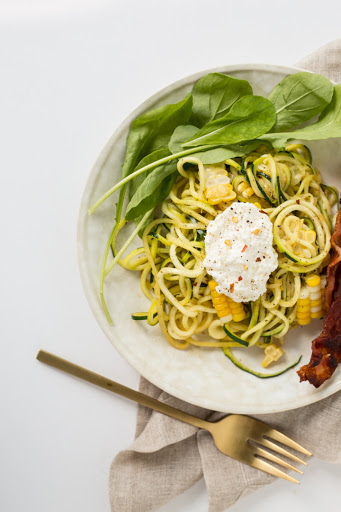
The Three Best Ways to Cook Spiralized Zucchini Noodles
By Hester
 1 Picture
Ingredients
- at.
- l break up in the pan. This will create a mushiness in your finished dish.
- to salt the zucchini once it’s heating in the pan. If you are cooking your zucchini in a skillet, don’t salt it! The salt will cause the water in the zucchini to release and thus, a soggy mess.
Details
Adapted from inspiralized.com
Preparation
Step 1
Saute
Place a skillet over medium-high heat, add in some olive oil or cooking spray and once the skillet is hot (flick water in, it should sizzle), add in the zucchini noodles. Toss the zucchini noodles lightly with pasta tongs and cook for for 3-5 minutes or until al dente – don’t let the noodles cook for longer or else they’ll wilt and look lifeless. Embrace the crunch! If you’re cooking more than 1 spiralized zucchini, it may take up to 5-7 minutes to cook the zucchini thoroughly. Just keep tossing so that all zucchini noodles hit the bottom of the hot skillet and cook through.
Simmer in a broth
While you would think that adding zucchini noodles to liquid would make them mushier, it’s the exact opposite. Thanks to science (ya, osmosis!), when you add zucchini to liquid, the zucchini doesn’t release as much moisture, because it’s floating in moisture! Without getting too technical, the broth or soup liquid will keep the zucchini firm. However, moisture release is inevitable and does happen, so it will thin out the broth, diluting it with water. To combat this, add extra flavor to your broths, in anticipation of this dilution. For example, add an extra couple teaspoons of soy sauce to your ramen to counteract the few quarter cup of water that the zucchini will release over time. If you’re making a zucchini noodle soup and eating it immediately, you don’t need to do this, but if you’re letting the soup sit out for a while or saving it for the next day, it’s a good idea to add those extra seasonings.
Never boil your noodles to use them! If you’re keeping them in the liquid, that’s fine (like with ramens and the above curry noodle soup), but if you’re trying to boil them to then toss them into a pasta, I don’t recommend that at all – your dish will turn soggy and watery in seconds
Raw
The best way to enjoy zucchini noodles raw is in a pesto, in my humble opinion. The pesto is creamy, flavorful, and coats the zucchini well. Aside from pesto, I love nut butter-based sauces (like my Thai Zucchini Noodle Salad, using almond butter.) It’s thick and creamy and the acids in the sauce “cook” the zucchini and naturally wilt it. However, a simple vinegar-based dressing will work wonders too – like my very popular Italian Zucchini Pasta Salad. With these types of dishes, the longer they sit, the more the noodles soften to the perfect consistency. Bonus points: they save well in the fridge for leftovers!
When I’m in a rush, I’ll heat up a sauce and toss the zucchini noodles with the hot sauce and as the noodles sit in the heat, they’ll soften slightly. The noodle will still mostly be crunchy, but it’s an easy way to prepare pasta without the worry of overcooking them.
What about roasting?
Roasting zucchini is totally doable, just don’t roast the noodles alone! Roasting is time-consuming and not the best use of your zucchini! It will wilt it and it’s easy to over-cook the zucchini this way. If you do want to roast the zucchini, I recommend you do it in a casserole, like here: Chicken Tetrazzini with Zucchini Noodles.
Review this recipe