Pumpkin Cheesecake
By debbreck
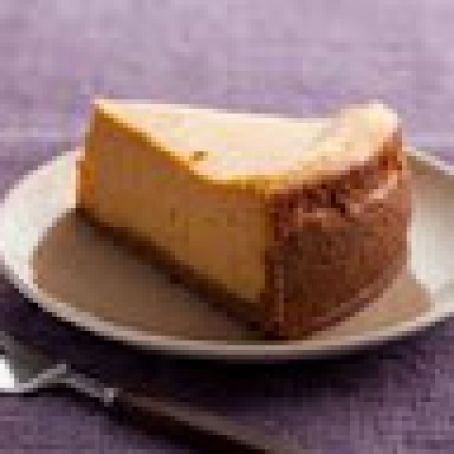 1 Picture
Ingredients
- Crust:
- 1 3/4 cups graham cracker crumbs
- 3 tablespoons light brown sugar
- 1/2 teaspoon ground cinnamon
- 1 stick melted salted butter
- Filling:
- 3 (8-ounce) packages cream cheese, at room temperature
- 1 (15-ounce) can pureed pumpkin
- 3 eggs plus 1 egg yolk
- 1/4 cup sour cream
- 1 1/2 cups sugar
- 1/2 teaspoon ground cinnamon
- 1/8 teaspoon fresh ground nutmeg
- 1/8 teaspoon ground cloves
- 2 tablespoon all-purpose flour
- 1 teaspoon vanilla extract
- Variations:
- Use ginger snaps for the crust
- Add 1/4 c. finely crushed pecans to the crust
Details
Servings 8
Preparation time 15mins
Cooking time 75mins
Adapted from foodnetwork.com
Preparation
Step 1
Preheat oven to 350 degrees F.
For crust:
In medium bowl, combine crumbs, sugar and cinnamon. Add melted butter. Press down flat into a 9-inch springform pan. Set aside.
For filling:
Beat cream cheese until smooth. Add pumpkin puree, eggs, egg yolk, sour cream, sugar and the spices. Add flour and vanilla. Beat together until well combined.
Pour into crust. Spread out evenly and place in oven for 1 hour. Remove from the oven and let sit for 15 minutes. Cover with plastic wrap and refrigerate for 4 hours.
Cheesecake Tips:
To Prevent Surface Cracking:
Bake the cheesecake in a water bath to keep the oven moisture high and the heat gentle. (A water bath is using a larger pan containing water in which to place the smaller cheesecake baking pan.)
Don't overbake the cheesecake. When perfectly done, there will still be a two to three-inch wobbly spot in the middle of the cheesecake; the texture will smooth out as it cools.
Cheesecake will shrink as it cools. Generously greasing the sides of the baking pan before pouring in batter will allow the cake to pull away from the pan as it cools and shrinks instead of pulling apart from the middle.
Cheesecakes have a tendency to crack, but they don't have to. This favorite American dessert can have a cracked surface for a number of reasons. One cause is air trapped inside the batter - a result of over-mixing. Once in the oven, the air bubble expands and wants to escape from the cake. As it finds its way out of the top of the cake, it creates a crack or crevice in the cake's surface. Another cause of a cracked surface is a drastic temperature change.
How to avoid cracks then? Be sure to mix your cheesecake batter well, eliminating all possible lumps in the cream cheese BEFORE you add the eggs. It is the eggs that will hold air in the batter, so add them last, and mix as little as possible once they are in the mix.
Also, be sure to cook your cheesecake gently. Use a water bath - wrap the bottom of your springform pan in aluminum foil and place it in a larger pan with water in it, just halfway up the outside of the springform pan. This will allow the cheesecake to cook more slowly and evenly.
Finally, cook your cheesecake slowly - at 325º F. After about 45 minutes, turn your oven off and leave the cheesecake inside the turned off oven for another hour. Cool at room temperature with a plate or cookie sheet inverted over the cheesecake to slow the cooling. Only then can you refrigerate the cake, which you will need to do for another 6 hours at least.
Freezing Cheesecakes
Cheesecakes can be frozen. Careful wrapping is very important. To freeze, place a fully cooled cheesecake in the freezer, uncovered, for 1 hour. If it's in a springform pan, remove sides of pan and freeze with the pan bottom in place. After 1 hour, use a knife to separate the cheesecake from the pan bottom. Slide it onto a foil-wrapped piece of heavy cardboard. Wrap in plastic wrap, then carefully place it inside a large freezer bag or wrap it in heavy duty aluminum foil. Label and date. Freezing for more than a month is not recommended to retain the best quality.
For a cheesecake with topping, such as fruit, always freeze cheesecake WITHOUT the topping and add the topping before serving.
Always thaw a cheesecake overnight in the refrigerator. When partially thawed, transfer it from the cardboard bottom to a serving plate.
" Water Bath " For Baking Cheesecakes
A "water bath" is a method that will help keep your cheesecake from cracking while baking.
Instructions For Water Bath
First, take heavy aluminum foil, and wrap it around sides and bottom of your springform pan or cheesecake pan with removable bottom. This prevents leakage while baking your cheesecake.
Place your springform pan or cheesecake pan (filled with cheesecake batter and crust) into a larger deep baking pan* that it will fit into easily.
*Note: The larger pan should be at least 2-3 inches in depth.
Place in pre-heated oven. With a kettle filled with very hot water, pour water into the larger pan about halfway up, or approximately 1 1/2 to 2 inches.
Bake cheesecake as directed. When cheesecake is done, remove springform pan or cheesecake pan (if using) from "water bath" in oven. Carefully remove larger pan with water in it from oven. It will be very hot. Discard water when it has cooled.
Remove aluminim foil from sides and bottom of pan after your cheescake has cooled completely in the refrigerator.
When you are ready to release sides of springform pan, or remove cheesecake from a cheesecake pan with removable bottom (if using) and cheescake has cooled in refrigerator at least 4 hours or overnight; this is the best time to remove aluminum foil.
Review this recipe